2026 Fellows Announcement
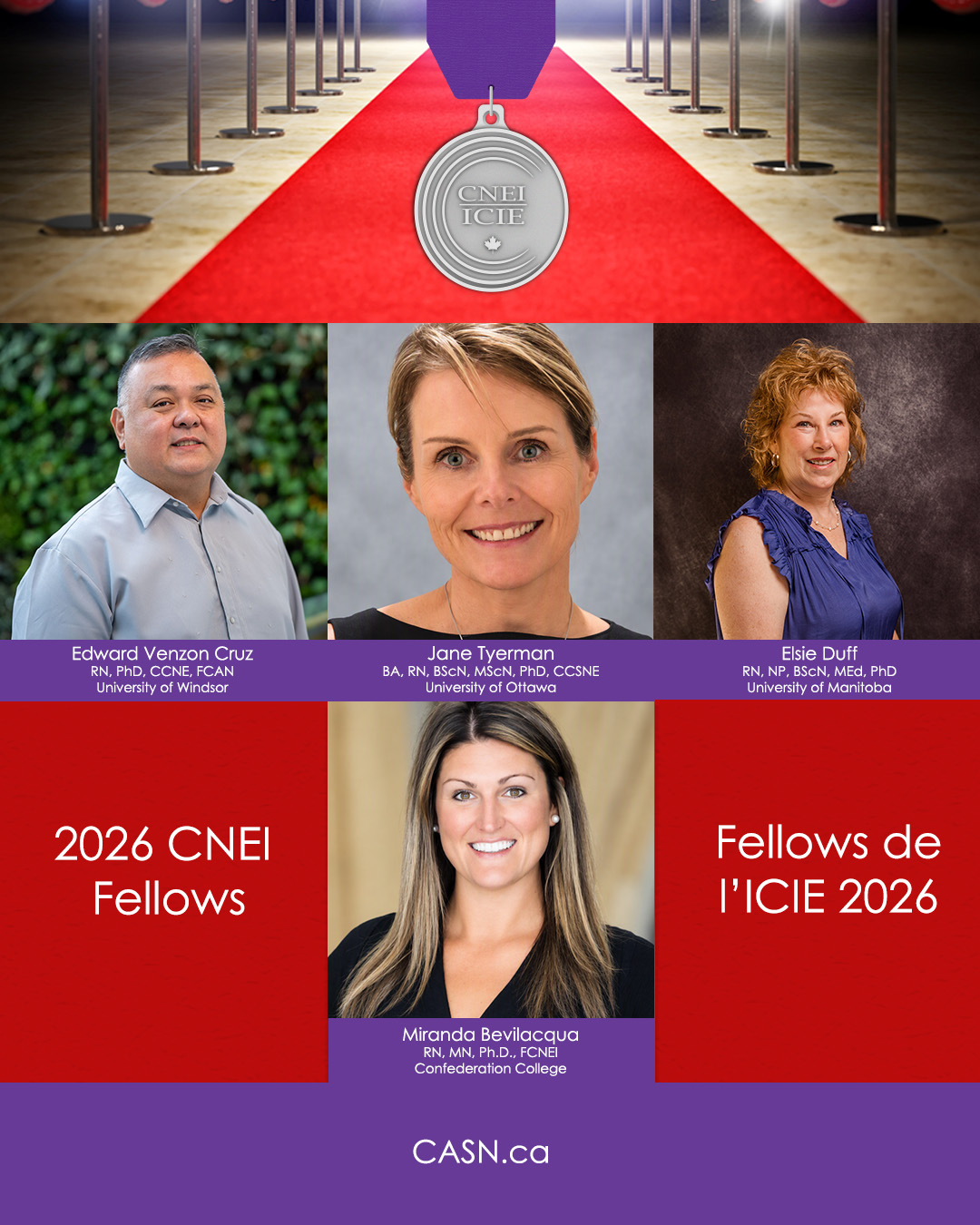
The CNEI Advisory Board is pleased to announce that the 2026 CNEI Fellows are Edward V. Cruz, Elsie Duff, Jane Tyerman, and Miranda Bevilacqua.

Miranda Bevilacqua, PhD, RN, MN, FCNEI - Confederation College
Dr. Miranda Bevilacqua, PhD, RN, MN, is a nursing professor, researcher, and educator with experience in clinical practice, postsecondary education, and healthcare advocacy. She is a Professor in the School of Nursing at Confederation College, an Adjunct Professor at Beal University, and has experience teaching at other Canadian universities at both undergraduate and graduate levels. Her clinical background includes mental health, addictions, forensic nursing, and acute care.
Dr. Bevilacqua's academic interests encompass nursing education, curriculum development, psychological safety, professional nursing identity, health equity, and the healthcare needs of rural, remote, and Indigenous communities. Her research explores healthcare professionals' experiences, workplace culture, mental health, and environmental health, emphasizing evidence-informed improvements in education and clinical practice. She actively contributes to scholarly publishing, peer review, curriculum development, and professional initiatives supporting nursing education and healthcare advancement.
Beyond academia, Dr. Bevilacqua is committed to community engagement, environmental conservation, and responsible land stewardship. She serves on the National Board of Directors for Ducks Unlimited Canada, supporting initiatives that protect wetlands, wildlife habitats, and Canada's natural heritage.
A proud Northern Ontarian, wife, and mother of two daughters, Miranda is an avid hunter and angler who values spending time outdoors with her family. She is passionate about sharing her appreciation for hunting, fishing, and conservation with her children, fostering respect for the land and preserving outdoor traditions for future generations. Her personal and professional interests reflect a commitment to education, community well-being, environmental responsibility, and lifelong learning.
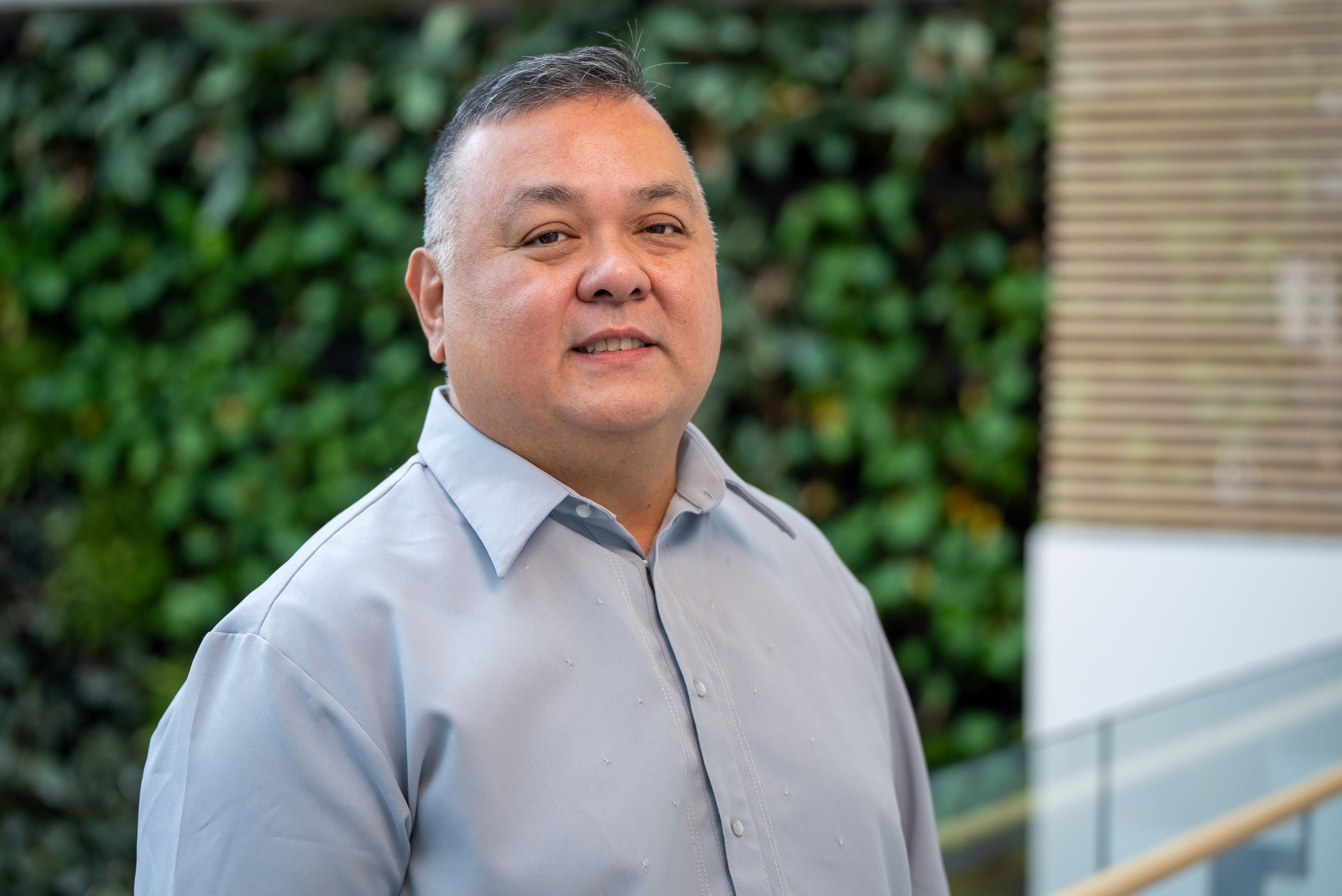 Edward Venzon Cruz, RN, PhD, CCNE, FCAN - University of Windsor
Dr. Edward Venzon Cruz is a tenured Associate Professor and Associate Dean, Undergraduate Programs, in the Faculty of Nursing at the University of Windsor. A nurse educator, researcher, and academic leader, his work is grounded in a longstanding commitment to inclusive nursing education and to improving the education, transition, and integration of internationally educated nurses (IENs) in Canada.
Drawing on his own lived experience as an internationally educated nurse from the Philippines, Dr. Cruz has helped shape nursing education for IENs through curriculum development, mentorship, research, policy, and accreditation. He contributed to the Pan-Canadian Framework of Guiding Principles and Essential Components for IEN Bridging Programs, the development of accreditation standards for IEN bridging education, and CASN’s National IEN Mentorship Program. He also teaches in CASN’s Nurse Educator Certificate Program and serves on its Advisory Committee on Accreditation Policy.
His scholarship includes more than 35 peer-reviewed publications and book chapters and participation in research, including projects funded by SSHRC and CIHR. His contributions have been recognized with the King Charles III Coronation Medal, the Top 25 Canadian Immigrant Award, Pinoy (Filipino) of the Year through the Golden Balangay Foundation, multiple educator awards, and Fellowship in the Canadian Academy of Nursing, where he was the first Filipino-Canadian Fellow.
At the heart of his work is a commitment to mentorship, equity, and creating educational pathways that enable nurses from diverse backgrounds to thrive and contribute fully to Canadian health care.
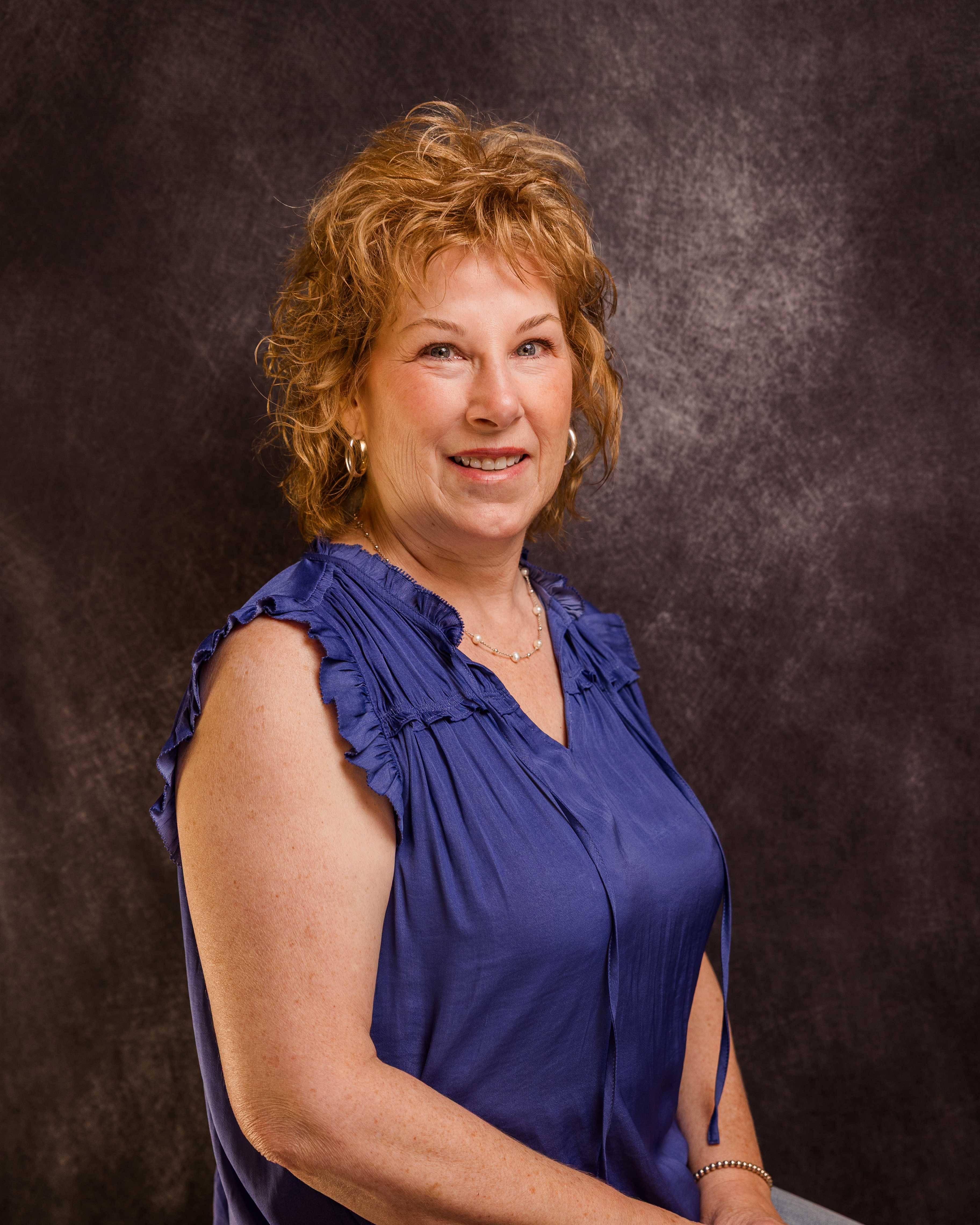 Elsie Duff, RN, NP, BScN, MEd, PhD - University of Manitoba
Dr. Duff has dedicated over 25 years to developing and improving advanced nursing practice education in Canada. As a member of the 2003 Canadian Association of Schools of Nursing (CASN) Primary Health Care Nurse Practitioner (NP) Education Taskforce, she collaborated with the team to develop the terms of reference and data collection framework that now underpins annual national reporting of nurse practitioner program statistics.
She has served on the CASN NP Accreditation Committee, the Canadian Nurses Association Canadian NP Initiative, and the International Council of Nurses Advanced Practice Nursing NP research committee. She contributed to policy development, competency mapping, and education standards. As a working group member for CASN’s NP Accreditation Committee she contributed to the creation of the Accreditation Manual for Nurse Practitioner Programs.
Over the span of her career, she has acquired a comprehensive understanding of health regulation and professional education expertise. Dr. Duff continues to use her expertise in this area as an external reviewer for provincial regulators and as an accreditor for both jurisdictional and national bodies. She has also authored accreditation reports for NP education programs and nursing regulators to ensure academic program compliance.
She has a rich history in the nursing profession, with credentials spanning from her first practical nursing diploma through to her doctoral degree in nursing education leadership. Along with expertise in adult education, she integrates her knowledge of institutional governance, health legislation, and accreditation standards in her work. She links education, research, and practice as she champions evidence-based, inclusive curricula.
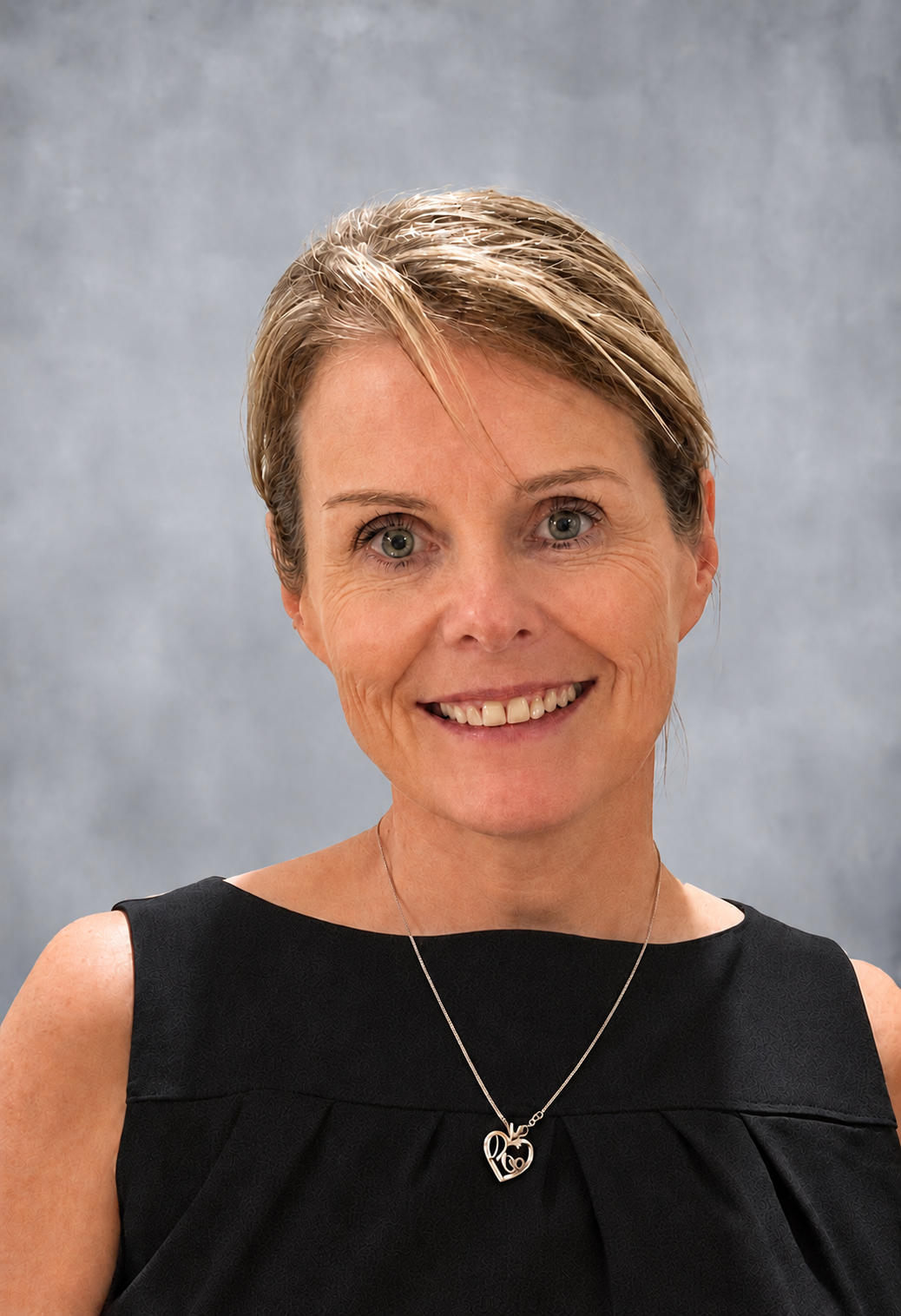 Jane Tyerman RN, PhD, CCSNE - University of Ottawa
Dr. Jane Tyerman, RN, PhD, CCSNE, is Assistant Director of Experiential Learning, Clinical, and Interprofessional Education in the School of Nursing at the University of Ottawa. She holds adjunct appointments at Queen’s and Trent universities and is a Senior Researcher at Providence Care Hospital. She brings over 30 years of acute care experience and more than 20 years of undergraduate and graduate teaching to advancing nursing education and practice. As Co-Founder and Co-President of the Canadian Alliance of Nurse Educators using Simulation (CAN-Sim), Dr. Tyerman leads initiatives to develop, share, and evaluate simulation resources. Her leadership in virtual simulation and virtual reality expands experiential learning opportunities that strengthen clinical judgment, communication, and readiness for practice. She provides simulation training nationally and internationally and has helped establish simulation centres in Canada and abroad. Dr. Tyerman supports educator development through CASN’s Simulation Nurse Educator Certification Program. Her teaching and scholarship advance medical-surgical and critical care nursing, emphasizing recognition of patient deterioration and interprofessional teamwork. She is an editor of Medical-Surgical Nursing in Canada and Associate Editor of Clinical Simulation in Nursing. Her research and educational resources address mental health, suicide risk assessment, racism, sexual and gender diversity, vaccine communication, and collaborative practice, promoting inclusive, culturally safe care. Through supervision of more than 20 graduate students, she mentors nursing educators, researchers, and leaders. Recognized with CASN’s Ethel Johns Award and Excellence in Nursing Education Award, Dr. Tyerman builds educational capacity that prepares nurses for compassionate, evidence-informed practice and contributes to nursing scholarship.